


A puppy’s gut is doing far more than digesting kibble. From the moment of birth, the microbial community in your puppy’s digestive tract is shaping their immune system, influencing their mood, and laying the groundwork for lifelong health. Get it right early, and you set your puppy up for strong immunity, steady growth, and a calm, trainable temperament. Ignore it, and you may spend years managing chronic digestive issues, allergies, and behavioral problems that trace back to those first critical weeks.
Here is why gut health is foundational for puppies:
- Digestion and nutrient absorption: A balanced gut microbiome breaks down food efficiently and extracts the vitamins, minerals, and proteins a growing puppy needs.
- Immune development: a substantial portion of a dog’s immune system resides in the gut, making early microbial balance directly tied to how well your puppy fights off illness.
- Behavioral regulation: The gut-brain axis connects microbial activity to neurotransmitter production, meaning a disrupted gut can show up as irritability, anxiety, or lethargy.
- Long-term health trajectory: Early gut disturbances can predispose puppies to inflammatory conditions and chronic diarrhea that persist well into adulthood.
Table of Contents
- What is the puppy gut microbiome and how does it develop?
- How poor gut health affects puppies physically and behaviorally
- What causes gut health problems in puppies, and what should you watch for?
- How diet and nutrition support your puppy’s gut health
- How does the gut-brain connection shape your puppy’s behavior?
- Breeder insights: how Lakewoodranchdoodles supports gut health from birth
- Key Takeaways
- Lakewoodranchdoodles breeds with gut health in mind
What is the puppy gut microbiome and how does it develop?
The gut microbiome is the vast community of bacteria, fungi, and other microorganisms living in your puppy’s digestive tract. It is not static. From birth through the first year of life, it shifts dramatically in response to diet, environment, and health events.
Key bacterial groups in a healthy puppy gut include Lactobacillus, Bifidobacterium, Firmicutes, and Bacteroidetes. Each plays a role in fermenting fiber, producing short-chain fatty acids, and training the immune system to distinguish friend from foe.
How that community gets established matters enormously:
- Birth mode: Vaginal delivery exposes the puppy to the dam’s vaginal and fecal microbiota, seeding the gut with beneficial bacteria. Cesarean-born puppies miss this initial transfer.
- Colostrum intake: Maternal transmission through colostrum in the first 12–16 hours after birth is critical. Colostrum carries Lactobacillus and other protective strains that establish the neonatal gut microbiota and prime the immune system.
- Environmental contact: Nursing, licking, and contact with the dam and littermates all contribute microbial diversity in those first weeks.
- Weaning: This is a major inflection point. Microbial diversity rises sharply during weaning and stabilizes around six months, with diet becoming the dominant driver of microbiome composition from that point forward.
A healthy goal is not maximum diversity but rather a stable, age-appropriate microbial community. Chasing diversity for its own sake misses the point.
How poor gut health affects puppies physically and behaviorally
Dysbiosis, the clinical term for microbial imbalance in the gut, does not stay contained to the digestive tract. It ripples outward.
Physically, the signs are often the first thing owners notice:
- Loose, foul-smelling stools or persistent diarrhea
- Vomiting and reduced appetite
- Poor coat condition and skin irritation (the gut-skin axis is well documented)
- Weakened immune response, meaning more frequent infections and slower recovery
- Stunted growth from poor nutrient absorption
Behaviorally, the picture is subtler but just as real. Gut dysbiosis disrupts neurotransmitter production and vagus nerve signaling, which can manifest as irritability, restlessness, or unusual lethargy in a puppy that should be curious and playful.
The systemic inflammation that comes with prolonged dysbiosis compounds everything. Skin flare-ups, recurrent ear infections, and hypersensitivity reactions often have a gut component that owners and even some vets overlook.
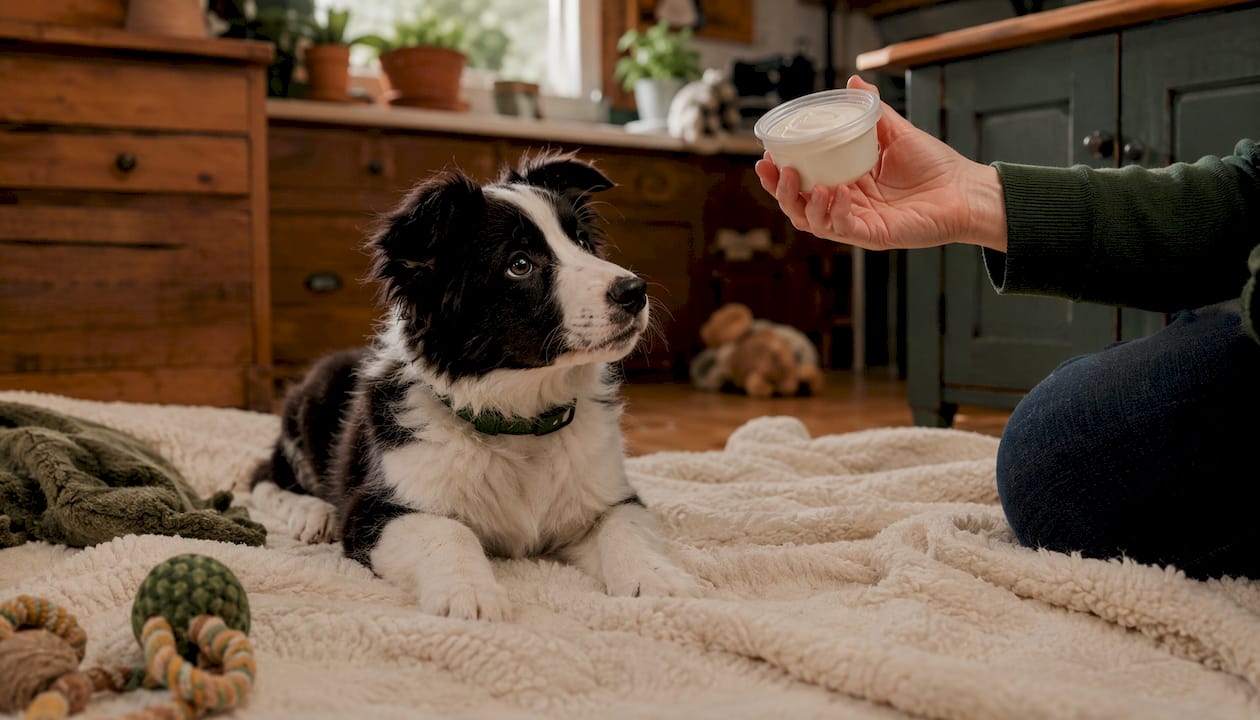
Pro Tip: If your puppy seems “off” behaviorally but has no obvious physical symptoms, check the stool first. Consistency, color, and odor are your earliest gut health indicators before anything else shows up on a vet panel.
What causes gut health problems in puppies, and what should you watch for?
Several factors can tip a puppy’s gut from balanced to dysbiotic, and some are more preventable than others.
Common causes:
- Antibiotic overuse: Even a single course can disrupt the microbiome for weeks to months. Antibiotics should be reserved for confirmed clinical infections, not used preventively or at the first sign of loose stool.
- Poor nutrition: Low-quality food with fillers, artificial preservatives, or inadequate protein destabilizes microbial communities during critical growth windows.
- Cesarean delivery: Puppies born by C-section miss the vaginal microbial seeding that naturally helps colonize the gut at birth.
- Environmental hygiene issues: Contaminated whelping environments, poor colostrum intake, or discolored milk increase the risk of neonatal infections and fading puppy syndrome.
- Dietary indiscretions: Coprophagia (eating feces) and access to household waste alter microbial composition, as confirmed in longitudinal microbiome research in Labrador Retriever puppies.
Warning signs to watch:
- Stools that are consistently loose, watery, or unusually foul-smelling
- Visible weight loss or failure to gain weight appropriately
- Lethargy, reduced playfulness, or sudden behavioral changes
- Bloating, excessive gas, or audible gut sounds
- Repeated vomiting beyond normal puppy mouthing behavior
Call your vet promptly if your puppy has bloody stool, is vomiting repeatedly, shows signs of dehydration (dry gums, sunken eyes), or is losing weight despite eating. These are not “wait and see” situations.
How diet and nutrition support your puppy’s gut health
Food is the single most controllable variable in your puppy’s gut health after the first weeks of life. What you feed, when you introduce it, and how you transition between foods all matter.
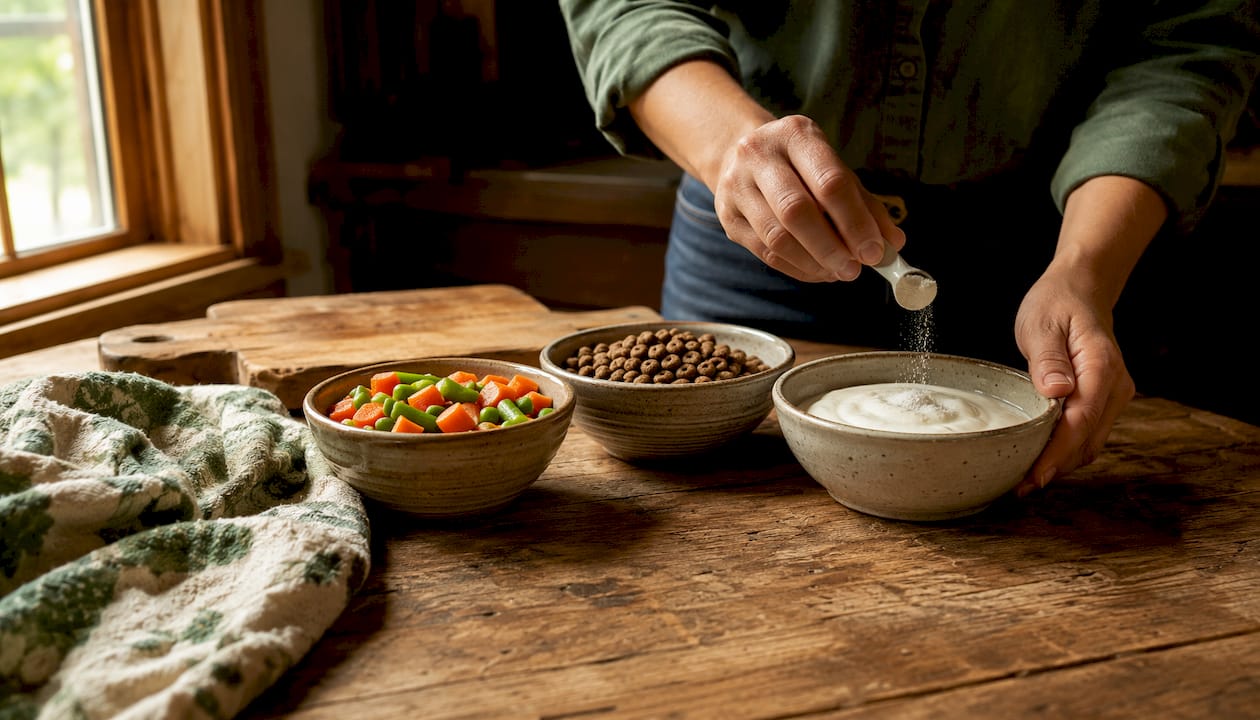
During weaning, the shift from milk to solid food is a stress point for the microbiome. Gradual transitions over 7–10 days reduce the risk of digestive upset. Abrupt food changes are one of the most common triggers of puppy diarrhea that owners bring to vets.
Key dietary principles:
- Choose a high-quality, age-appropriate food with a named protein source as the first ingredient and no artificial preservatives or excessive fillers.
- Prebiotics (such as inulin, chicory root, and fructooligosaccharides) feed beneficial bacteria already present in the gut. Many quality puppy foods include them.
- Probiotics can help, but strain specificity matters. Clinical evidence supports using probiotics matched to a specific clinical need rather than as a routine preventive measure in healthy puppies. Talk to your vet before adding a supplement.
- Digestive enzymes support nutrient breakdown, particularly during weaning when the puppy’s own enzyme production is still maturing. Learn more about probiotics, prebiotics, and digestive enzymes and how they work together.
- Feeding method matters too. Slowing down meal pace with appropriate bowls reduces gulping, which can cause gas and digestive stress. Slow feeding and smart bowls are a practical, low-cost way to support digestion from day one.
If your puppy does need antibiotics, supplementing with unsweetened natural yogurt or a veterinarian-recommended probiotic strain during and after the course can help mitigate the microbial disruption.
Pro Tip: Transition to a new food by mixing 25% new food with 75% old food for the first two days, then 50/50 for two more days, then 75% new for two days before fully switching. Rushing this process is the most common cause of preventable puppy diarrhea.
How does the gut-brain connection shape your puppy’s behavior?
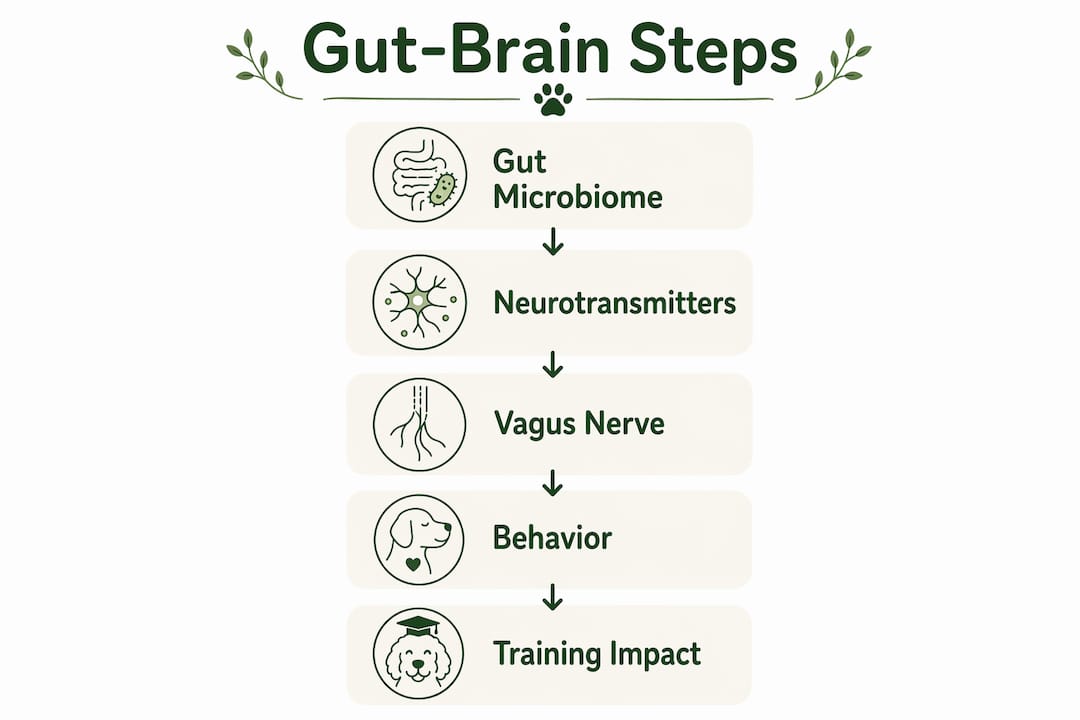
The gut-brain axis is a two-way communication highway between the digestive tract and the central nervous system, running primarily through the vagus nerve. Gut microbes produce neurotransmitters including serotonin, dopamine precursors, and gamma-aminobutyric acid (GABA), all of which directly influence mood and behavior.
When the gut microbiome is balanced, this signaling supports calm, curious, and socially engaged behavior. When it is disrupted, the effects show up in ways that look purely behavioral:
- Irritability and snapping that seems out of character
- Restlessness or inability to settle, even after adequate exercise
- Lethargy and social withdrawal, which owners sometimes attribute to personality
- Heightened stress responses during training or new experiences
This connection has real implications for puppy training. A puppy whose gut is inflamed or dysbiotic is operating under a low-grade physiological stress load. That makes learning harder, focus shorter, and frustration thresholds lower. Gut health and training outcomes are more connected than most owners realize.
Supporting gut health is not separate from behavioral development. It is part of it.
Breeder insights: how Lakewoodranchdoodles supports gut health from birth
With over 20 years of hands-on breeding experience, the team at Lakewoodranchdoodles has seen firsthand how the decisions made in the first days of a puppy’s life echo through their entire development. Dam health is where it starts. A well-nourished, healthy mother passes beneficial microbial strains to her puppies through vaginal birth, colostrum, and ongoing nursing contact. The first 21 days of a puppy’s life are the most critical window for gut microbiome establishment, and everything in the whelping environment is managed with that in mind.
Practical protocols Lakewoodranchdoodles follows:
- Birth weight monitoring from day one: Puppies that fail to nurse adequately in the first 12–16 hours miss colostrum, which is irreplaceable for both gut seeding and immune priming.
- Weaning diet designed for gut stability: Gradual food introductions using high-quality, digestible proteins reduce microbiome disruption during this vulnerable transition.
- Strict antibiotic stewardship: Antibiotics are used only when a clinical infection is confirmed, never prophylactically. When a puppy does need a course, probiotic support is introduced alongside treatment.
- Clean, low-stress whelping environments: Hygiene protocols reduce pathogen load without stripping the beneficial environmental microbes that contribute to healthy colonization.
- Ongoing gut monitoring through adulthood: Stool quality, coat condition, energy levels, and behavioral cues are tracked as gut health indicators across every growth stage.
Pro Tip: Ask your breeder specifically what the dam was fed during pregnancy and lactation, and what probiotic or digestive support the puppies received before going home. A breeder who cannot answer those questions has not been managing gut health deliberately.
The goal at Lakewoodranchdoodles is not just a puppy that looks healthy at eight weeks. It is a dog with a stable, resilient gut community that supports strong immunity, good behavior, and a long, healthy life. Their holistic breeding approach puts gut health at the center of every breeding and care decision.
Key Takeaways
A puppy’s gut microbiome is the foundation of their immune system, digestion, and behavioral development, and the choices made in the first weeks of life shape that foundation for years.
| Point | Details |
|---|---|
| Gut health drives immunity | a substantial portion of a dog’s immune system resides in the gut, making early microbial balance critical. |
| First 21 days are decisive | The first 21 days of a puppy’s life critically determine gut microbiome establishment and long-term health. |
| Diet is the top lever after birth | Microbial diversity stabilizes around six months, with dietary choices governing composition from that point. |
| Gut health shapes behavior | Dysbiosis disrupts neurotransmitter production via the gut-brain axis, causing irritability, lethargy, and training difficulties. |
| Antibiotic stewardship protects the microbiome | Antibiotics should be reserved for confirmed infections; probiotic support during treatment helps mitigate disruption. |
Lakewoodranchdoodles breeds with gut health in mind
Every puppy from Lakewoodranchdoodles is raised with gut health as a core priority, not an afterthought. From dam nutrition and whelping protocols to weaning diets and probiotic support, the team’s 20-plus years of experience means your puppy arrives home with a strong microbial foundation already in place.
If you are looking for a Goldendoodle puppy raised with this level of care, or want to learn more about the breeding philosophy behind every litter, visit Lakewoodranchdoodles or call 705 875 5195 to schedule a visit.
Recommended
- Nutrition’s Role in Puppy Development: A New Owner’s Guide – Lakewood Ranch Doodles
- Why Dam Health Affects Puppy Health: A 2026 Guide – Lakewood Ranch Doodles
- Benefits of Probiotics, Prebiotics and Digestive Enzymes – Lakewood Ranch Doodles
- Healthy Puppy Behaviors: 10 Signs Your Pup Is Thriving – Lakewood Ranch Doodles